Circular of the Beijing City Bureau for Economics and Information Technology on the publication of the Beijing Municipal Implementation Programme for Hydrogen Energy Industry Development (2026-2030)
30 october 2026
Beijing Municipal Implementation Programme for Hydrogen Energy Industry Development (2026-2030)
Fuel cell vehiclesBreaking through 10,000 cars." >hygen stations are over 40 stations, allowing for the scaleing of scenarios such as green chemicals, heat and electricity supply. the city-wide hydrogen energy industry chain is over 40 billion yuan, driving kyoto to over 100 billion yuan, and building an autonomous, economically efficient, green and safe kyoto hydrogen energy chain system.
i, adhere to the landscape and implement the model project
"full-focused trunking, cold-chain logistics, etc., to promote the scale application of hydrogen-energy vehicles to enable the construction of pilot clusters of hydrogen energy applications as a bridge, leading to the autonomous replacement of market-based fuel vehicles and the addition of more than 6,000 hydrogen-powered vehicles for the construction of the `six main corridor + 11' high-speed network system for low-energy, long-range hydrogen-car capacity-resilted and long-range re-scale application pole applications in beijing.
(ii) support for hydrogen field at industrial scale
(iii) development of hydrogen energy innovation applications
continuous first test of hydrogen energy innovation scenes, promoting pilot demonstration of innovative products such as hydrogen fuel cells, hydrogen combustion machines, etc. in data centres, thermoelectric clusters, etc. building on key scenarios such as the international hydrogen energy demonstration zone, the integrated hydrogen energy demonstration zone, and the changping hydrogen energy innovative integration demonstration zone, the configuration built a green micropower grid for hydrogen coupling and the country ' s leading zero carbon (low carbon) demonstration park.
ii, consistent with the reduction of the substance and implementation of industrial expansion
(iv) whole chain of fuel cell cars
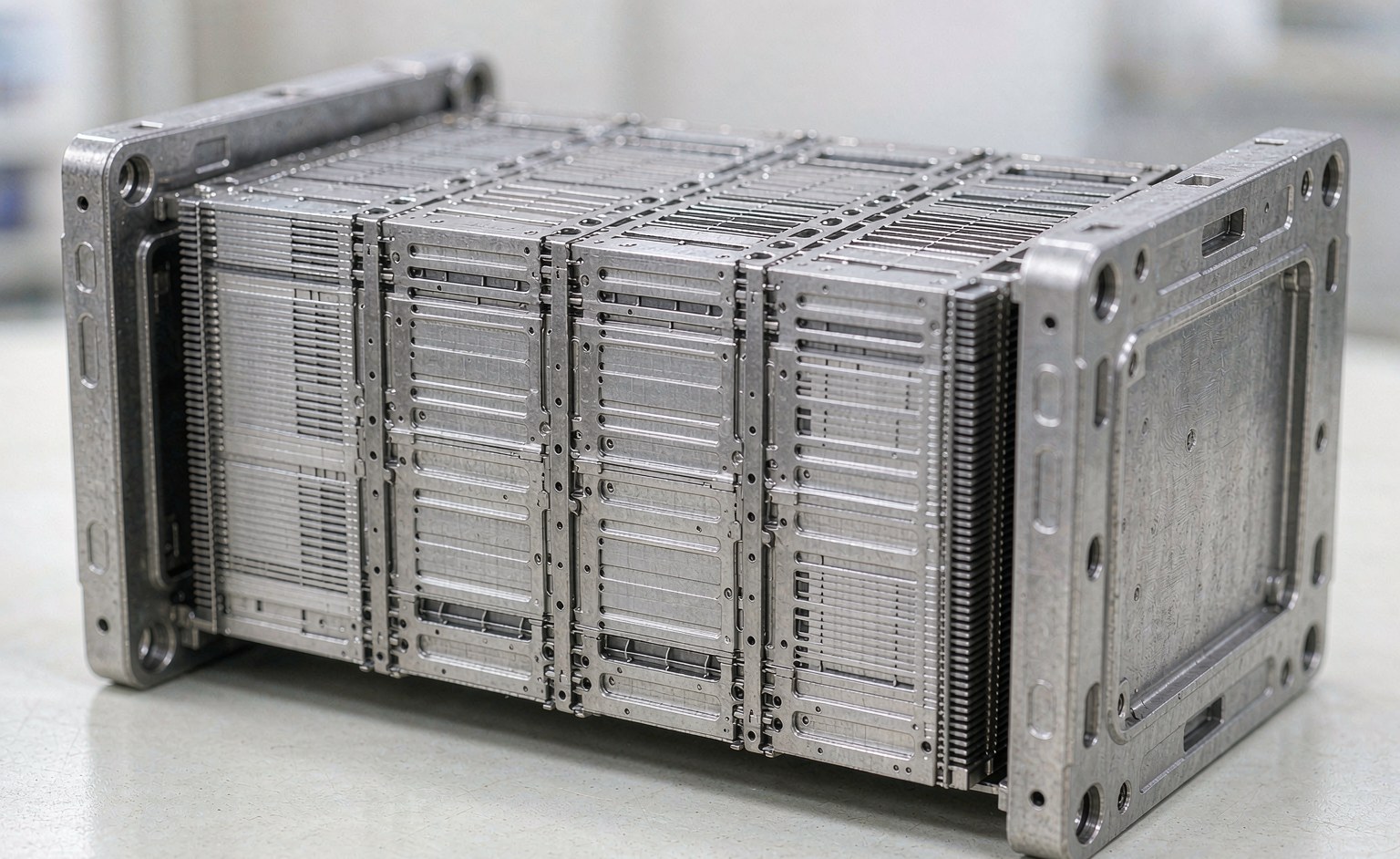
to support fuel cell aggregates, system lead enterprises in improving the whole chain of industry around vehicle development and accelerating the synergistic innovation of key material components such as membrane electrodes, catalysts, carbon paper, cylinder valves. the integrated substrate hydrogen power ceiling equivalence project, which creates an overall capacity of 10,000-grade fuel cells as well as power systems, reactors, membranes and key material packages, has contributed to a reduction of more than 30 per cent in the combined cost of fuel cells as a whole and core parts.
(v) upgrading hydrogen equipment industry
Supporting energy equipment enterprises for alkali (ALK), meta-mems exchange (PEM), membrane exchange (AEM) and other multi-technology route layouts that advance high-efficiency membrane core materials such as electrodes, low-value metal catalysts, nickel grid electrodes and key components. Speed up the construction of electrolytic cell certification platforms and medium-test manufacturing lines, resulting in hydrogen equipment capacity above 4 GW, and contributing to a reduction of more than 30 per cent in the combined cost of green hydrogen preparation.
(vi) front-tech r & d and industrialization
(vii) implementation of the gradientization cultivation
encourage hydrogen energy supply, hydrogen integrated vehicles, fuel cell chain owners to transform their resources into platform-based, eco-based lead firms through industrial cooperation, investment incubation, etc. (c) deepening the industrial chain-relaying chain and supporting a number of new and innovative enterprises specialized in subdivisions, promoting the development of large and medium-sized enterprises (smes) and leading to the development of a multi-level matrix for the development of the hydrogen industry that leads, follows up and grows on the ladder.
iii, maintenance of green safety, implementation of hydrogen energy security project
(viii) construction of a regional multi-source hydrogen energy security system
(ix) expand local hydrogen energy sources
(x) integrated hydrogen infrastructure
iv, adherence to strategic direction, implementation of public platform construction
(xi) build high-level hydrogen energy innovation platform
industrial innovation centre was upgraded to the national hydrogen energy innovation centre to build an innovation system that integrates technological research and development with industrial applications, structured around such areas as fuel cell cars, liquid hydrogen equipment, high-temperature membrane fuel cells, new electrolytic hydrogen, and hydrogen internal combustion engines, to provide a medium-testing platform for the configuration of hydrogen energy in a systematic manner, and to provide access to technical offensives, intermediate trimination and the full chain of industrial landings.
(xii) construction of green hydrogen (green fuel) trading centre
(xiii) refinement of the hydrogen industry standard system
encourage key business institutions to engage in international standardization activities and international standard studies, leading in the building of institutions for the standardization of hydrogen and in the revision of national, industry-based standards, supporting groups such as industry coalitions to respond quickly to hydrogen-energy technological innovation and market demand, autonomously setting standards for implementation, developing more complete hydrogen-energy standards, promoting interfacing and maintaining national standards.
v, safeguards
StartFragmentEndFragment