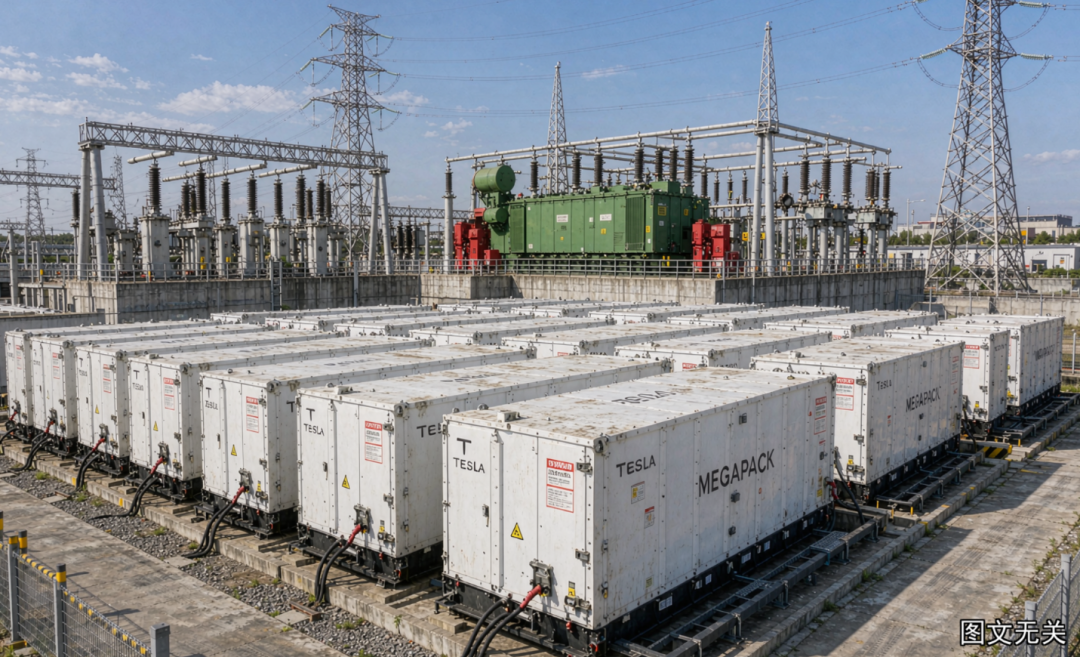
On October 23, a report on space photovoltaics was painted in the industrial community: SpaceX, under the flag of Mask, plans to achieve mass-manufacturing space volts by 2030, which was interpreted as a "200GW class" space voltage blueprint.
The other one in the same week went in the opposite direction.• On 16 October, the Ministry of Commerce, Science and Technology issued Proclamation No. 48, which envisages the inclusion of 12 optical core technologies in the list of prohibitions or restrictions on exports, and the designation of "space, defence, unmanned, high-security infrastructure" as a sensitive area in the official calibre for the first time.
A power station is to be built in the sky, and a technology gate is to be welded to death. Spacelight.In the heat of the science fiction concept, it becomes the real field of power in the space economy of the great Powers.
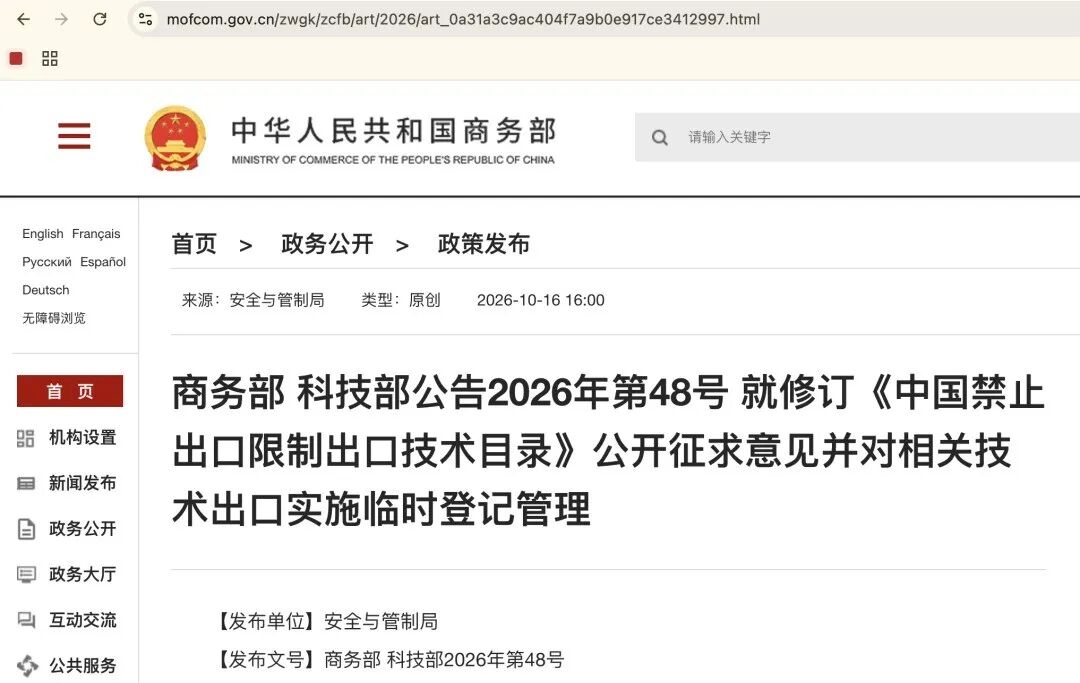
Ministry of CommerceCopy of bulletin 48
Mask's 200 GW ambition: Space Light Volkswagen from "Scientific Fiction" to "Building."
Mask was never the only one who drew cookies. Support"200GW Space Optical Voltage" This narrative is a proven bottom of demand.
As atBy the end of 2025, SpaceX had more satellites in orbit.9,300.Each one is a rigid buyer of space light volts.
The more satellites, the more demand for efficient, light, reliable space power comes closer to scale.That's why SpaceX wanted to "make it himself, make it in bulk."After the launch costs were hit by reusable rockets,Keep the satellite batteries thin and free to load more.GPU and the instrument, it's a bargain.The account。More radical play is on the way.
American Startup.Star Catcher ProjectIn 2026Activate the world ' s first space-based light power wireless transmission demonstration mission and build satellites in orbitThe power supply network for "up-to-date power" is targeted at existing levels.Ten times.I'm sorry./SpanPower supply;Prototype satelliteProtostar will fly with SpaceX this week, trying to transfer power with laser between two physically unconnected space objects.It's not an isolated case.8.6 kilometresIt's done in distance.Over800 Wyle=""" power transmission。And space-lighted.The demand for "up" is still growing. With the explosion of high-energy-consuming scenarios such as space computing, in-orbit data processing, the National Space and Space Labs have deployed the first space computing constellation worldwide;
Additional information submitted by China to the International Telecommunication Union203,000 satellitesFrequency and orbital resource requests, covered14 constellationsI don't know. Space PV is becoming the energy base that underpins the entire space economy.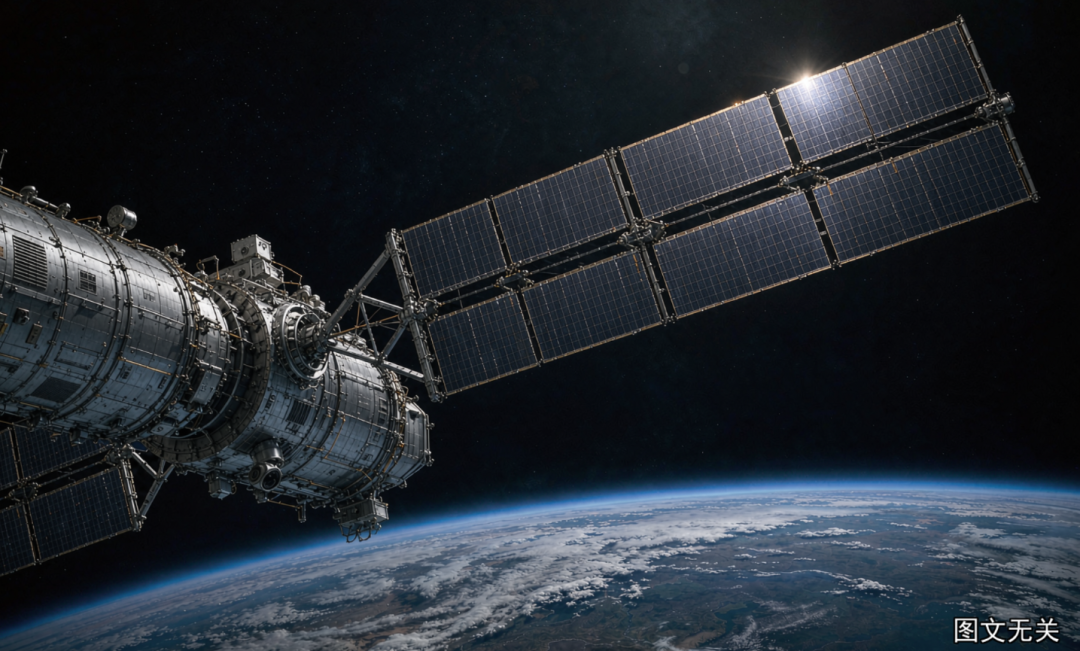
China's Day-by-Day Project: Microwave transfer capability in kilowatts, 100 metres of certification
China didn't miss the race, and it went to another one."System engineering" route.
May 2026The University of Electronic Science and Technology in Sian has made key breakthroughs in space solar power stations and microwave wireless transmission: Yes.KW power output at 100 m rangeand complete"
I'm sorry.More pairs."Moved target microwave wireless transmission allows ground validation.this means that china closed the entire chain from "photo-electric-microwave-direct" to a new phase of multi-target dynamic transmission -- the core bottleneck of the space power station, never "power generation," but "how to get it back."At the same time, another milestone was sent to heaven.
May 2026, Xinjiang U.S.U. luminium mining batteries developed by Nanjing University, Central College Semiconductor, with#23 Shengzhou #Entering the Chinese space station and conductingThe country's first active active service experiment with argon cells.(Single sum and two types of stacking device synchronized to star).To get a reliable sample, the team prepared and optimized about a year in advance.At least.2000 battery samplesElectronic irradiation, atomic oxygen erosion, high-temperature cycles and UV irradiation simulations are completed on the ground and handed over to space."The field exam."This combination of fists points to a clear judgement that low-orbit satellite size, deep space detection and even the energy systems of the Moon base are supplied by a new generation of space voltages. And China's bottom card, which has been saved by the ground photovoltaic industry for decades."Long-sized silicon chips, super thin batteries, large-scale membrane plating equipment" full-chain national production capability.
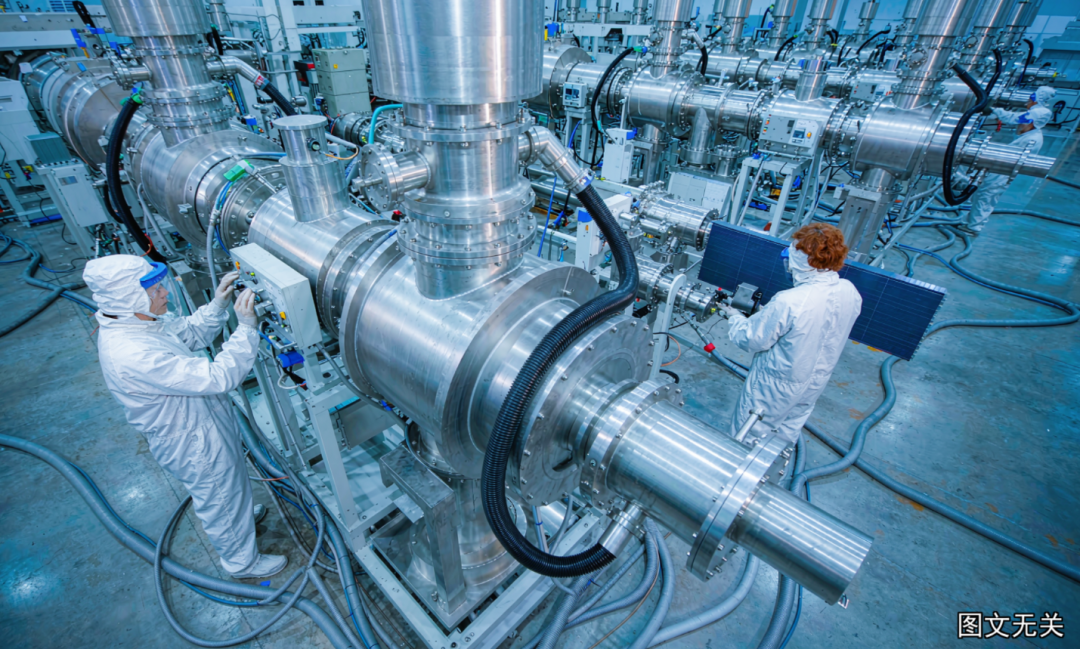
Export Control Welding Space Phase: 20.5% of the red line stuck to who?
The one who really lets the industry take a breath.16 OctoberNo. No.Proclamation No. 48.
The Ministry of Commerce, in its answer to a journalist's question, gave a clear explanation: in recent years, photovoltaic technology has been at the space, defence, unarmed, high security level.SetShige-min.SensoryArea applications are expanding and potential national security risks from technology exports"On the rise, there is a need for proper and timely regulation."
Zhao Ray, a researcher at the Electrotechnical Institute of the Central School, is getting better.Core advanced technologies related to space photovoltaics are integrated into controlIt is an important initiative to maintain the security of our national space energy strategy and to prevent the leakage of niche-driven technologies" .Control indicators are as precise as a calculator: the quail.- Crystal Silicon Collapse Efficiency.Over 30 per centLarge monolithium mine componentsOver 18 per cent
I don't know.Within 70 umSilicon tablets and accessories,Less than 110 umHJT film, low silver, low silver copper plating, all listed.At the Space Photovoltaic Materials and Technology Conference, held from 13-14 October, the AAM0 efficiency of the P-type HJT battery was pushed over by a combination of "Mixed P-type silicon tablets+isomers+ super thinning+copper interconnection"21.5%I don't know. Here.21.5 per cent, "impartially, it happens that Chinese head manufacturers have just crossed the threshold while overseas chasers have not yet reached the threshold".
complemented with ultra thin silicon tablets and copper plating restraining orders, the complete combination of fists directly locks out the whole line of space-grade light quantified silicon batteries.The data can hold the bottom line:In the first half of 2026, the global capacity of established and under construction minerals was reached12.8 GiwaChina alone.9.1 Giwa
That's more than enough.71%;It's about commercialization.On the GW-class line, the three families are running ahead of them. The logic is clear — lock technology at home and completely open the door to the product.Why is Space Optical Voltage "no roll price": 1500 Yen/W vs 10 Yen/W
If you use ground voltage,Price Warner's brain looks at space voltage, and it's completely wrong.
The cruel thing about space photovoltaics is the cost of launch, installation, maintenance.Hundreds of times as high as the ground.I don't know. The cost of a rocket delivering a load to the sky is still high.Thousands of dollars.Count.
That's why the industry agreed that— Space-voltaics completely say goodbye to the logic of "who pays who wins" and in turn seek efficiency, light quantification and absolute reliability.Cost structures are most intuitive: traditional space solar cells (Asterium Arsenic) have high cost per wattMore than $1,500.;
With light, thin and soft properties, the future costs are expected to fall.Per wattLess than 10.It's still more irradiated.A lighter, cheaper, more durable battery.Tastes like a satellite with less fuel and more loads.- It's real silver in space.Commercial orders have begun to land. Shenzhen Gwang Gwang has taken the big deal in Skytech.120 satellites launched by 2031(b) Supply of solar wings of the mine;
Its components are long back.On-orbit verification by rocket into 535 km orbit in 2024.Over 95 per centI don't know.Inflammation and technology.The flexible roller sunwing prototype of nebula mine is about to enter orbit, using 0.1 mm fully flexible polyamide membrane plates, less heavy than traditional folding wings25 to 30 per centAnd take Nabito.35 times.I'm sorry.span textstyle = "" >, directly into the market for nanosatellites and cubic stars。Of course, it has to pour cold water: SpaceLight Volkswagen is still here."Union formation - sample validation - small load carrying". It is expected that five to ten years of technical coverage will be required once the mass launch of the constellation and the system of national markers/posts are established. The in-orbit samples, which are currently being disclosed, are "application validation" and cannot yet be equated with bulk commercial delivery.
The game of space-light voltage, the rules have changed: no more."Who's cheaper" and who's going to make the three things that are efficient, light, reliable simultaneously; and who's going to put the core technology in his own hands.
Mask.200 GW cakes, China welds the door first. This race for space energy across the Pacific has only just begun.
Is space light voltage really commercial in 10 years? In the face of the skills drain, we should."Open the product" for the market, or "weld technology"? Welcome to the comment section.