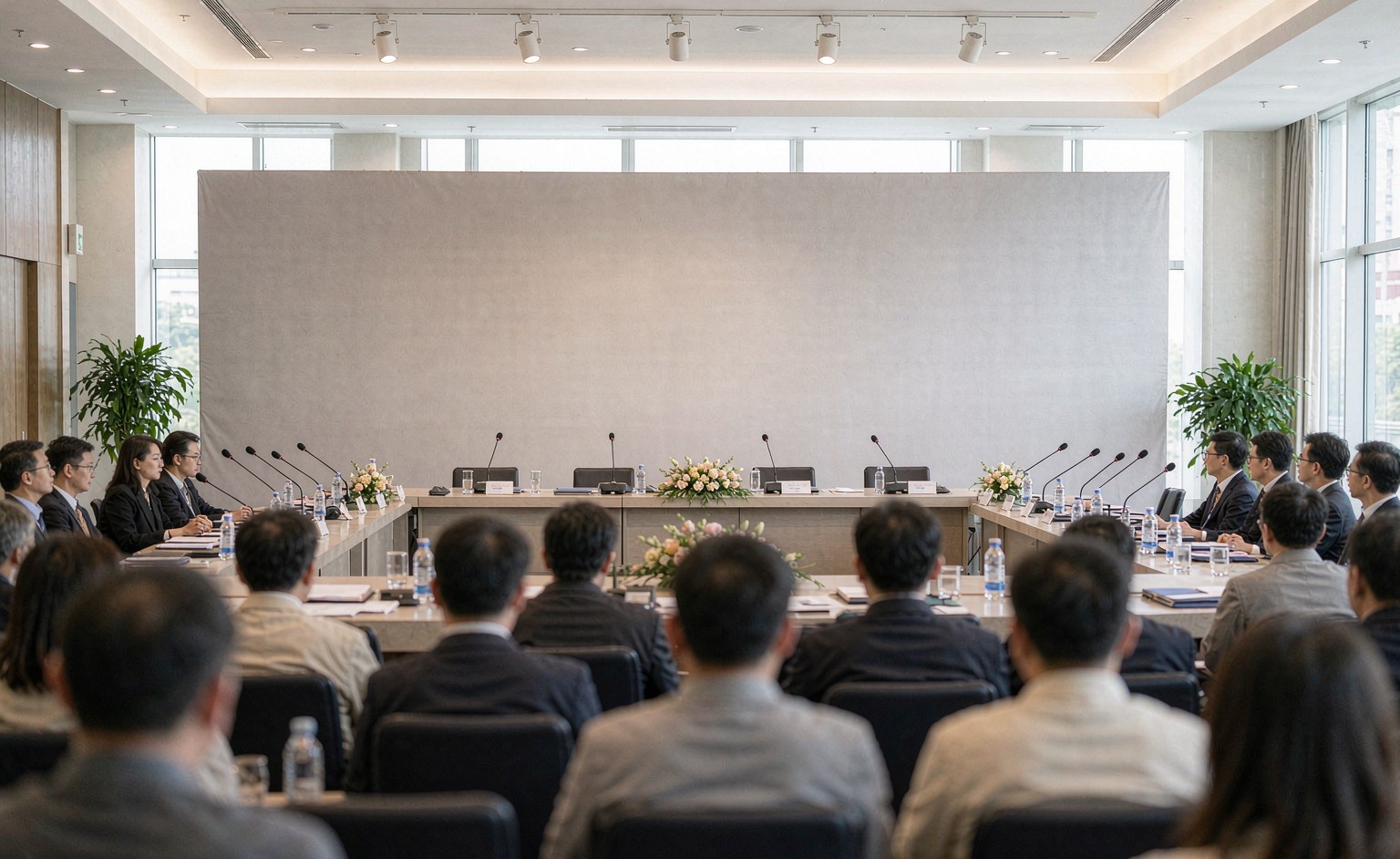
On 6 November, the National Commission for Development and Reform held the third session of a series of press conferences entitled “Fifty-five” on the construction of a secure bottom seat.
At the meeting, the Deputy Director of the Development Planning Department of the National Energy Agency, Gowl, stated that during the peak summer, the national electricity load had been updated four times in historical extremes, up from 50 million kilowatts last year, with a high electricity load of 23 innovations in six regional grids, including North-East China, North-East China and East China, and with a smooth operation of our electricity system, which had provided a strong guarantee of the demand for electricity for the production of life in society.
During the “1555” period, the demand for electricity will continue to grow steadily, driven by new industries such as computing power, with an average annual increase expected to be around 600 billion degrees, equivalent to three new Shanghai markets per year. In order to secure electricity, we have put in place an early warning mechanism for the adequacy of the electricity supply, which proposes that by 2030 the power supply will be more than 1.1, i.e., 10 per cent of the capacity remaining at the peak of the power load, ensuring that critical moments can be “cap and bottom”. In particular, there will be a synergy of efforts from the network ' s reservoirs to enhance capacity-building for electricity security.
On the side of the power supply, the first-hand capture of the traditional power base guarantees, the implementation of a new generation of upgrading coal power, and the promotion of the transformation of coal power to supporting and regulating power. It's an ad hoc setup. (c) Orderly advance major engineering work on hydropower and nuclear power. The other is to build a reliable alternative to new energy security, to continuously improve the accuracy of the projected power generation of new energy, and to set up a new system-friendly power plant, with a focus on enhancing reliable peak power generation capacity. By 2030, wind, photovoltaic and other systems contributed more than 20 per cent of electricity generation, an increase of about 10 percentage points, during periods of peaking summer and winter peaks.
On the side of the electricity grid, we will accelerate the construction of a new electricity grid with primary micro-syncs, making full use of the advantages of our large electricity grid, the “national one-board game”, strengthening capacity-building for Western power transmission, boosting the capacity for inter-provincial power complementarities by 40 million kilowatts, building a resilient distribution system, enhancing the supply security and integrated load capacity of the distribution network and improving the self-balancing and self-regulating capabilities of the smart micro-grid.
On the side of the user side, the potential for the regulation of electrical loads, such as motor vehicles and air conditioners, is being fully exploited, intelligent and orderly charging is being promoted, the network ' s interactive scale-up is being expanded, the virtual power plant is being scaled up to over 50 million kilowatts by 2030, and users are becoming more involved in the interaction of electrical system regulation.
On the side of energy storage, the role of the reservoir as a “charter” and “regulator” of the power system is better utilized, with a rational configuration to build a number of pumping power plants, which will be installed on a scale of about 160 million kilowatts by 2030. A major effort has been made to develop new storage capacities and to encourage the development of a variety of technological routes, with a capacity of 300 million kilowatts by 2030.
In addition, in the face of the potential impact of the super-El Niño in recent years, extreme weather events have increased, and we will strengthen the analysis of the supply and demand situation, as well as the monitoring of early warning and emergency control, in order to provide a secure and adequate electricity supply system and to respond effectively to uncertainties.