Report of the Guangdong Department of Energy
Guangdong Energy Conservation and Carbon Reduction Action Plan (2026-2028)
Notification
wilaya-related units, local and higher municipal development and reform bureaus (commission), department of energy and priority projects of huizhou, energy enterprises:
as part of a three-year plan of action to implement the requirements of the provincial council and provincial government's three-year plan of action for energy conservation, based on the national energy bureau's publication of < > action plan for energy conservation (2026-2028) & circular for the guangdong province's “fifty five-five five” carbon daz programme of action, guangdong province's focus on industrial energy reduction and reduction of carbon upgrading。i have the honour to transmit to you herewith the report of the secretary-general (see annex).
Guangdong Energy Conservation Carbon Reduction Action Plan
(2026-2028)
> > ;
(i) actively boosting energy saving in fire. integrated consideration of factors such as energy-saving carbon reduction, electricity protection, heat-generation substitution and air fleet conditions, sound and orderly shutdown of an old class of 300,000 kilowatts (kw) and below, with the conditions to replace the new generation of coal power units; promotion of a set of 600,000 kilowatt (kw) super-critical multi-generational upgrades of coal power units, and acceleration of upgrading of the main auxiliary equipment involved in the upgrading of coal power units ' ramp performance, wide-loading efficiency and flow modification。Support for low-carbon adaptations such as biomass, green ammonia and zero-carbon low-carbon fuels such as carbon blending and carbon capture and storage (CCUS) for eligible combustion power units, which should reduce carbon emissions by about 10 per cent after construction. Promote the implementation of energy-saving carbon reduction and greater wide-load adaptation of cogeneration units at levels 9E and above. Explore the development of hydrogen blending demonstrations for 9F and above to improve the efficiency of natural gas use. Supporting the convergence of power from fire and new sources of energy to achieve carbon reduction through interlocking and interlocking energy, such as energy reserves and peaks and integrated pooling.
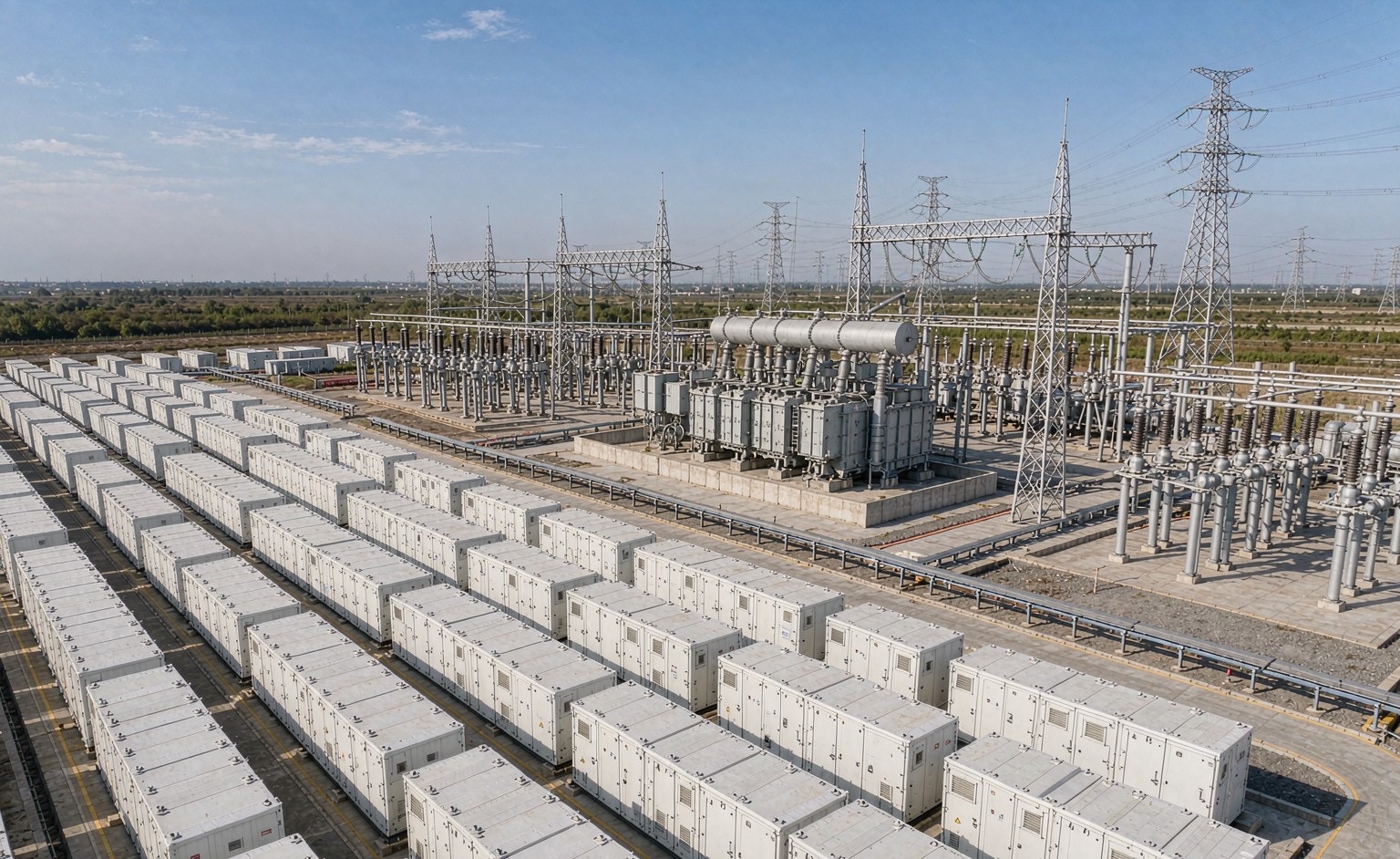
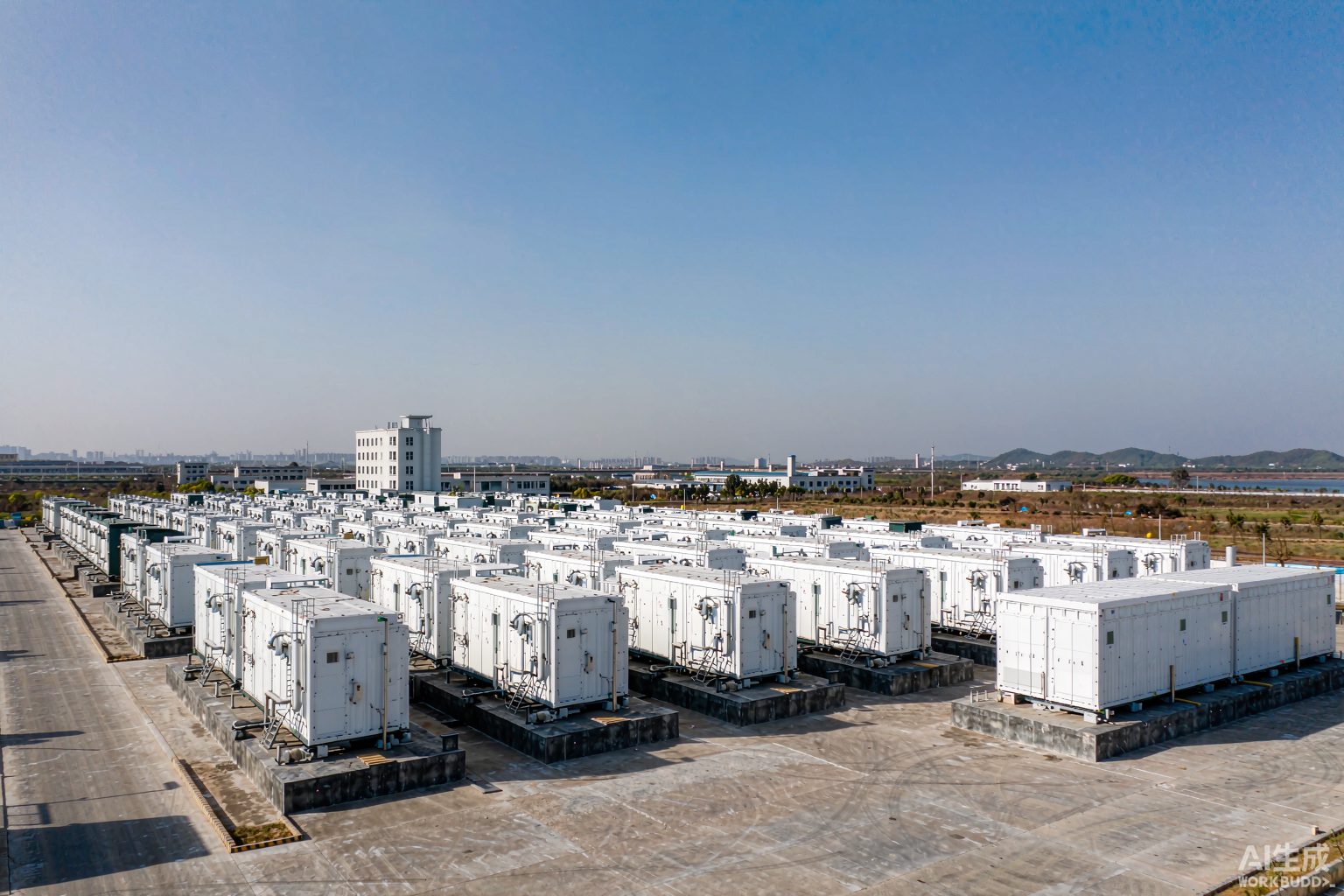
(ii) upgrading new energy-disruption capabilities. increase in the scale of clean electricity delivery from out-of-province to promote clean energy consumption. building new power grids with a moderate advance of primary micro-syncs, enhancing grid-building and intellectual upgrading, and upgrading the combined carrying capacity of distribution grids with distributed new energy sources. an orderly boost to extracting energy. active development of new types of storage capacity, increased development of critical technologies and equipment, and exploration of long-term storage energy applications. the active development of new sources of energy, such as photovoltaics integration, green power connections, smart micro-grids, supply-net loadings integration, new energy access and incremental distribution grids, is close to new business practices, promoting green power applications.
(iii) strengthening the capacity of power systems to operate and regulate energy savings. strengthening the flexible interaction of the network ' s reservoirs and significantly developing new models of new technologies such as virtual power plants and network interactions. promote the participation of decentralized resources, such as adjustable loads, in the regulation of power systems. optimize grid movement, integrate safety, low-carbon, economic operating requirements, rationalize the sequencing and peaking of coal power and concentrate on controlling coal power generation. continuous upgrading of energy efficiency in transmission and transformation equipment and steady reduction of grid combined loss rates.
iii, deepening the process chain of oil and gas production by reducing carbon
(v) implementation of energy system optimization. (b) the potential for recovery of residual heat, residual pressure, venting and high-pressure vapour from deep-drilling units, to achieve thermal energy ladders and to increase the use of low-temperature waste heat. promote the concentration of large-scale cogeneration for heating, clean energy and other alternatives to existing self-fired coal units. promote renewable energy alternatives and encourage large petrochemical parks to explore the use of nuclear energy for heating.
iv, accelerated consumption side green low-carbon transformation
(vii) optimizing energy models in industry. promote the upgrading of energy-saving systems for focused energy-use systems and the promotion of new energy-saving equipment in innovative energy models such as controlled heat-saving furnaces, magnetic suspension centrifuges, large-scale efficient combined heat and power cogeneration systems, low-temperature residual power generation and recycling systems, and efficient heat pump distillation systems. promote clean energy alternatives for coal-fired boilers and industrial kilns. promote the construction of national and provincial zero carbon parks, zero carbon plants, and support the development of models such as green direct supply, industrial green micro-grids and many complementary and efficient uses。deepen the infrastructure of industrial parks, such as heating, refrigeration, etc., and enhance inter-firm energy exchange and escalator use to advance the overall optimization of the energy systems of parks.
(ix) effectively reducing energy consumption in construction. full implementation of green building standards in new buildings, promotion of green low-carbon construction and assembly building, and development of ultra-low energy consumption, near-zero energy consumption and zero carbon building in the south of the ridge. optimizing building energy structures and promoting the application of technology models such as building photovoltaic integration, smart microgrids, cold storage, light storage, virtual power plants, etc., to encourage participation in demand-side responses. a green lighting operation was carried out to rationalize the layout of an integrated “photo-resilient” system. promote the use of clean energy equipment in construction.
(xi) improvement of the efficiency of the computing infrastructure. encourage the construction of zero carbon computing facilities, support green power direct supply, rationalize storage, cold storage, back-up, etc., and promote the use of non-fossil energy power in new computing facilities. to improve energy-saving carbon reduction standards for computing facilities, to promote the application of efficient refrigeration, advanced ventilation, residual cooling, smart control, to improve energy efficiency in the refrigeration systems of computing facilities, to support the integration of low-density cabinets into high-density cabinets, to phase out backward and inefficient technologies and equipment in an orderly manner, and to improve the overall energy efficiency of computing facilities。in-depth exploitation of the calculator load time- and space-regulated potential for co-operation.
v, enhanced carbon-saving technology innovation applications
(xii) enhanced technology equipment development and promotion. strengthen research and development of energy-efficient energy equipment to support the diffusion of technology equipment applications that have significant energy-saving carbon benefits. accelerate access to key technologies in the areas of supercritical carbon dioxide generation, solid transformers, forward photovoltaic batteries, biomass production of green fuels, etc. strengthening of front-line technology equipment for advanced renewable energy generation and integrated use of technologies, green efficient fossil energy development and utilization. optimizing the implementation of regulatory conditions and integrated standards systems in industries such as photovoltaic and lithium electricity.
(xiii) investing in the advancement of digital energy. encourage innovation in artificial intelligence models in the energy sector, explore solutions for quantitative energy conservation and carbon reduction in the energy sector, and explore high-value scenarios of artificial intelligence in the process of energy conservation. support the development of digital energy carbon management platforms in energy-focused units that promote precision measurement of energy consumption, real-time collection and smart analysis to achieve online monitoring, accounting and flexibility of energy consumption and carbon emissions.
vi, safeguards for sound energy conservation
(xiv) enhanced data accounting. the development of accounting for energy consumption and carbon emissions has evolved into a regular statistical accounting mechanism around oil and gas exploration development, transmission and storage, electricity production distribution and storage, refining, etc. normalization tracks carbon emissions from sectors such as electricity, coal, gas and refining, and produces carbon emission situation analyses. a sound provincial energy management centre platform with a number of intellectual management and monitoring early warning functions, improved management of energy-saving carbon reduction targets, monitoring of operational module management, monthly monitoring of energy-saving carbon reductions, quarterly early warning, annual accounting, data aggregation, smart analysis。
(xv) serve as a green energy consumption promotion mechanism. implement a system of minimum shares of renewable energy consumption, with a focus on renewable energy consumption in energy-based industries and the reduction of responsibility. promote market-based trade in distributed power generation and promote efficient development of distributed power sources with near reduction of electricity. broadening the “new energy + energy storage” project cost recovery channels, innovative business models. new subjects such as virtual power plants, new types of storage power, and mechanisms for nuclear, gas and gas participation in the electricity market. strengthen synergies between market-based mechanisms such as carbon markets, green certificates and green electricity.
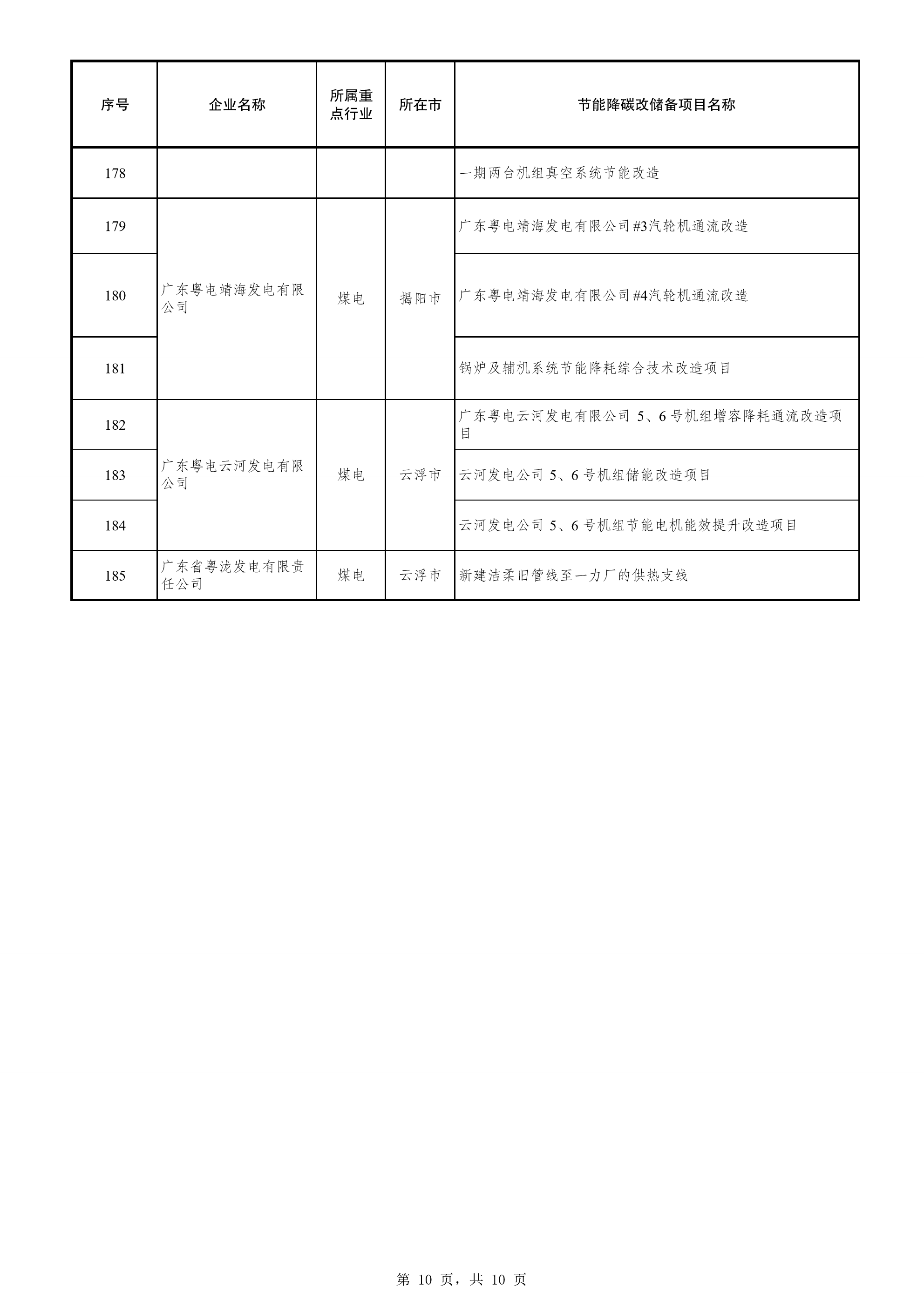
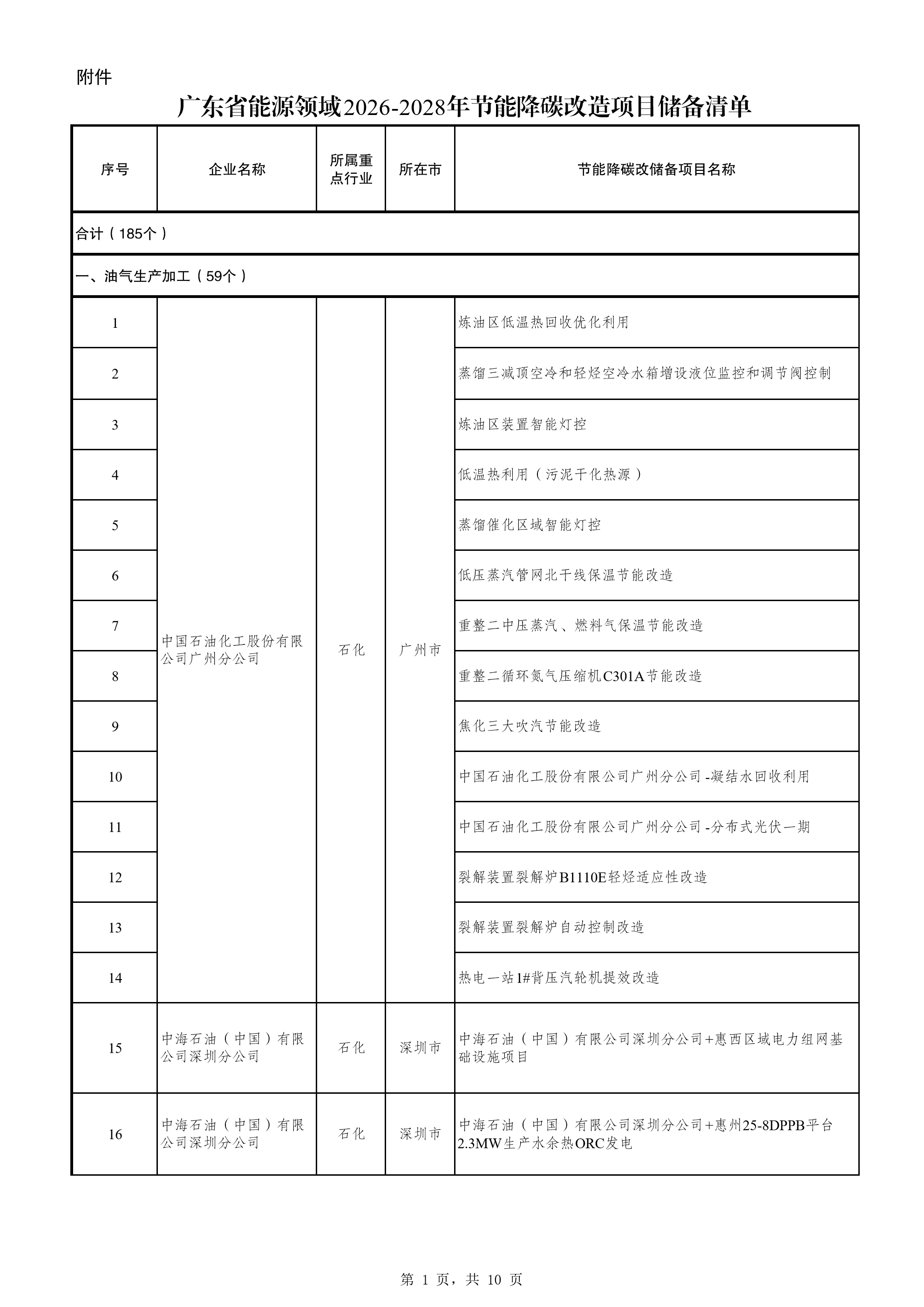
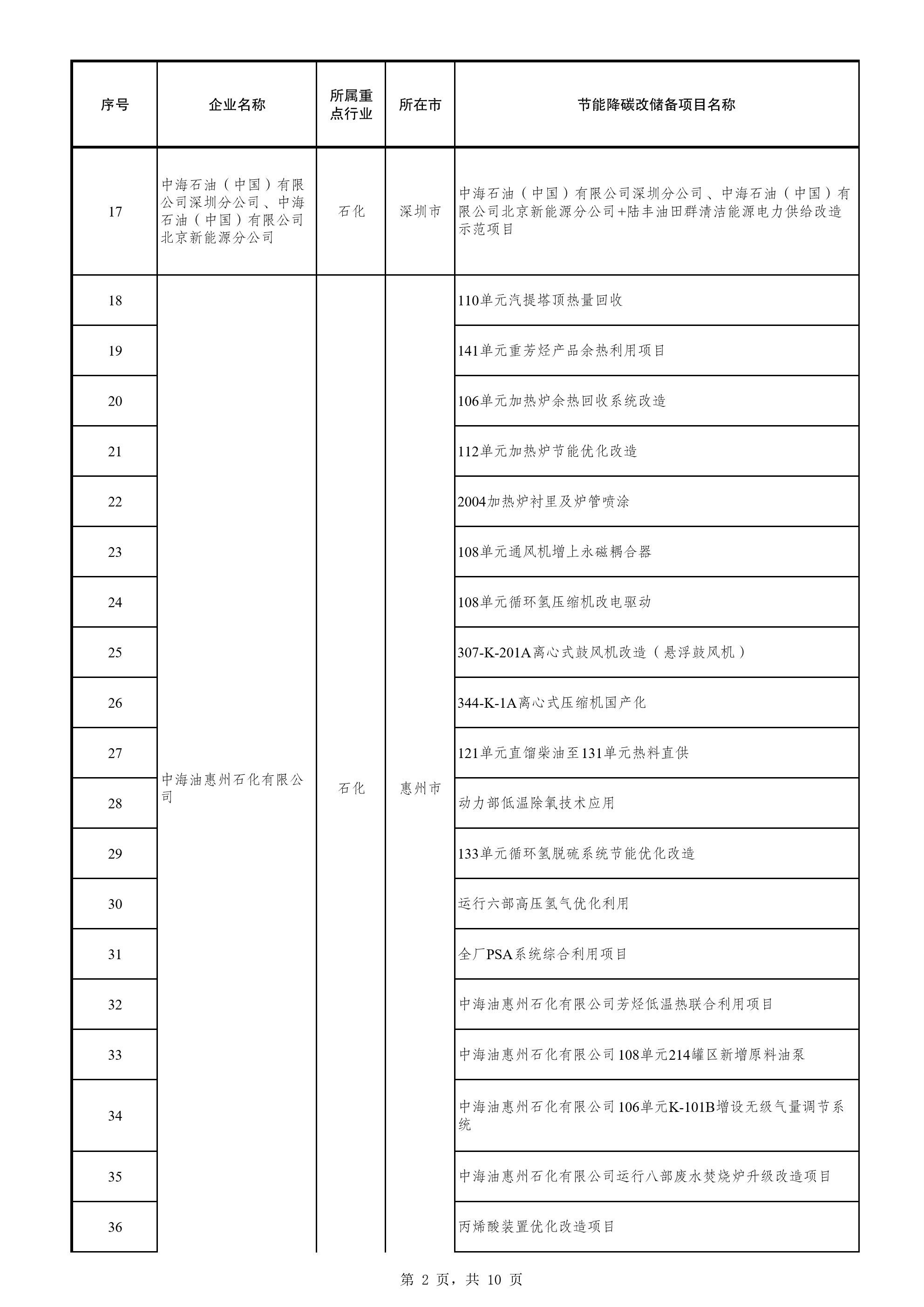
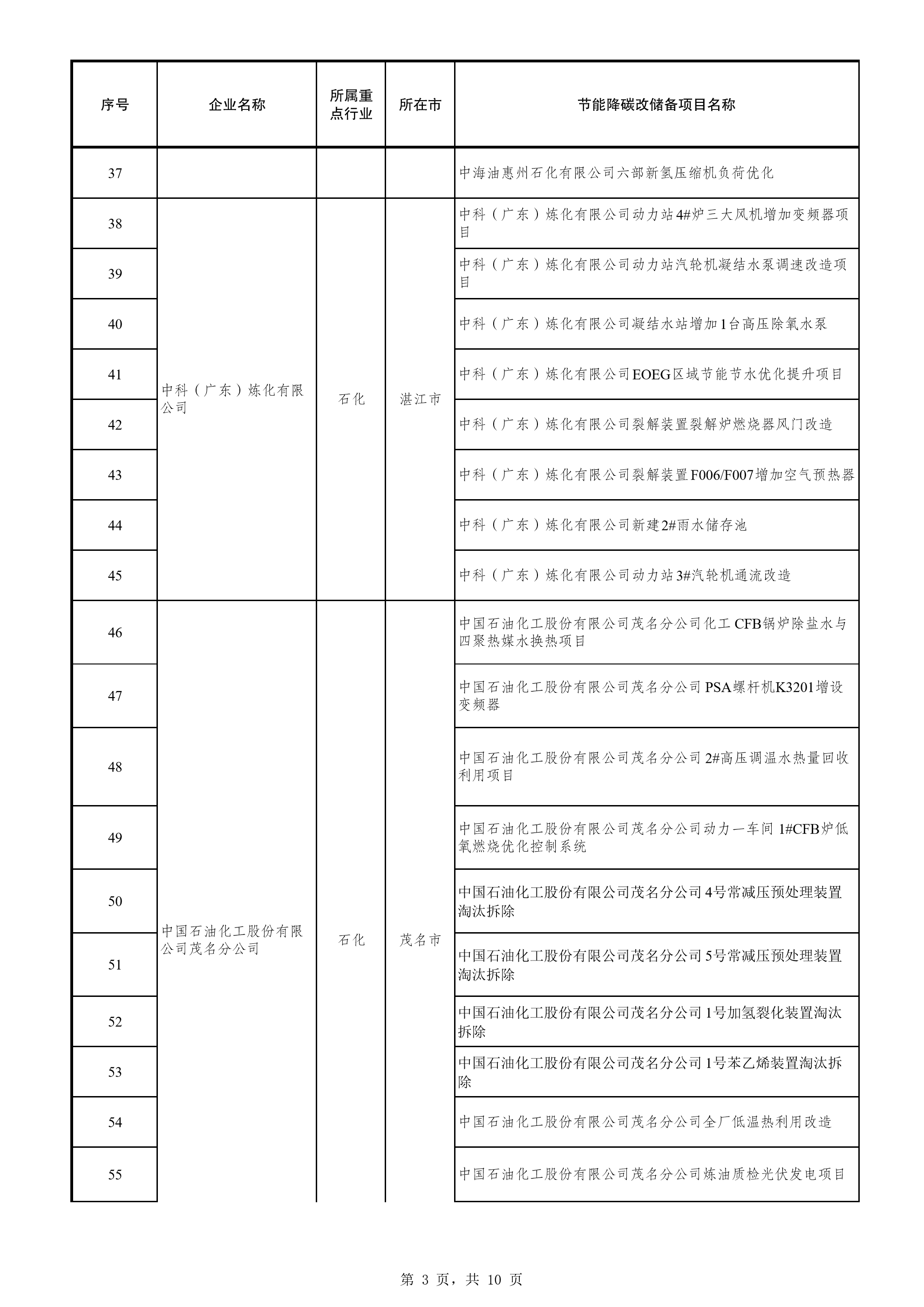
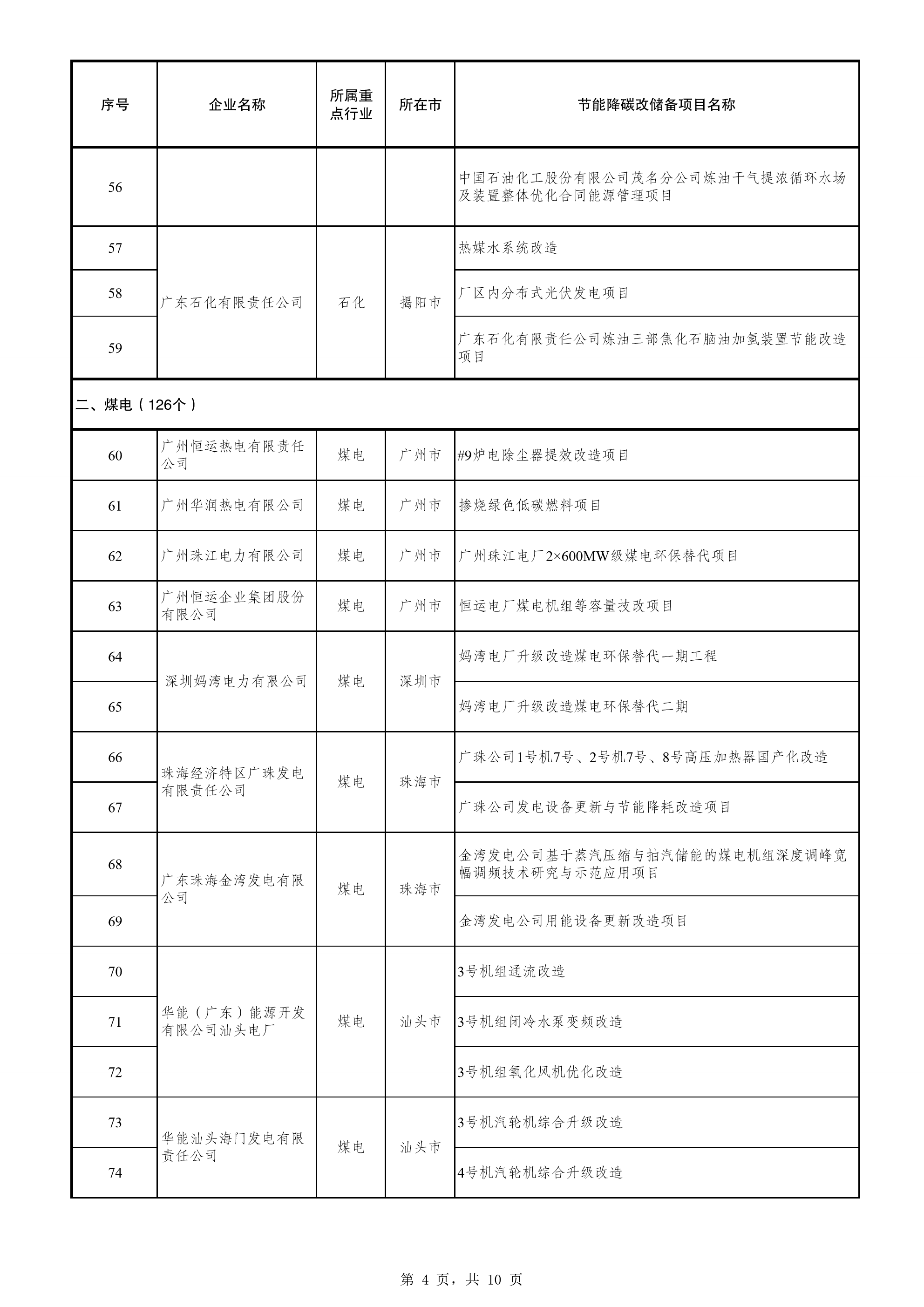
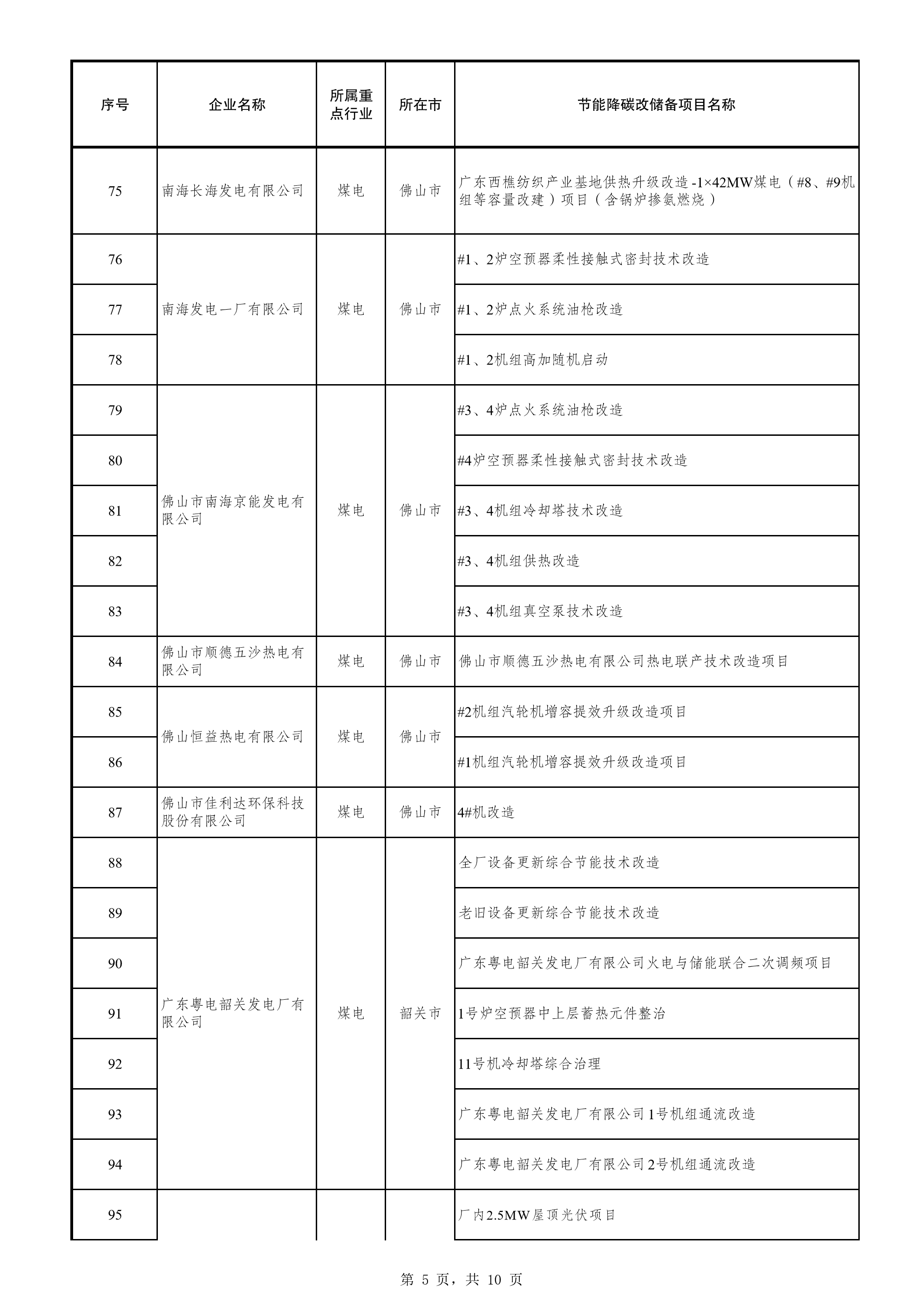
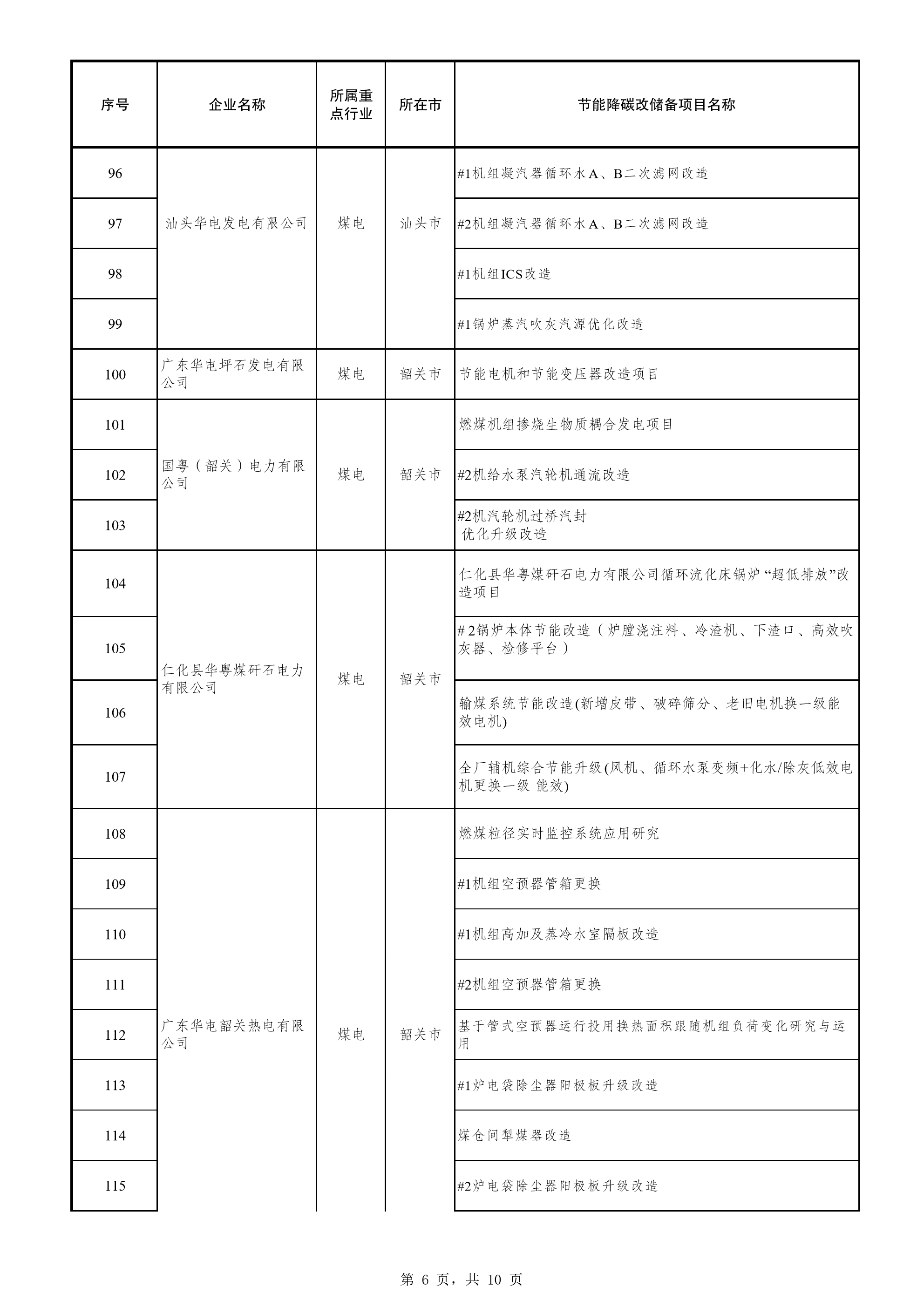
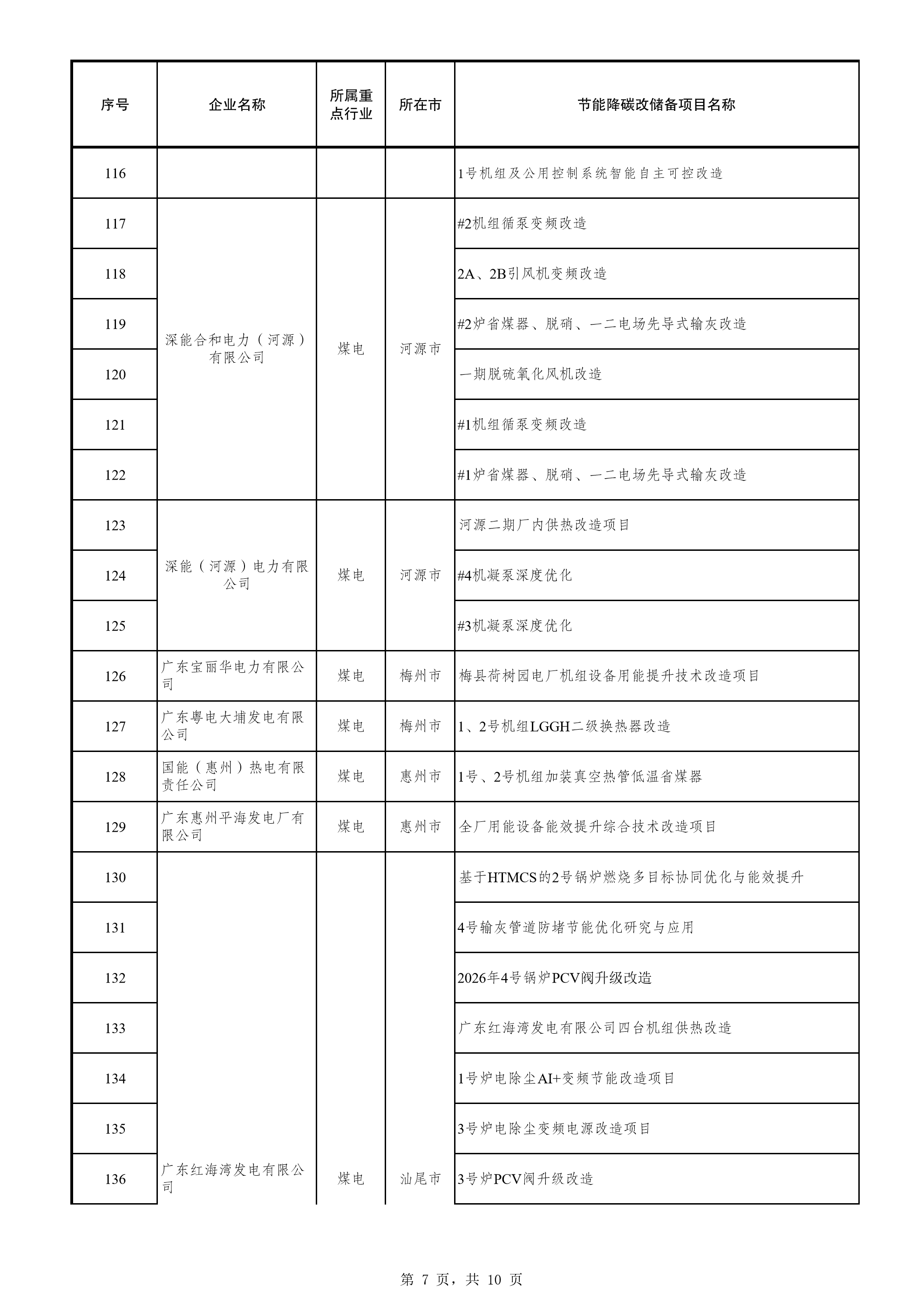
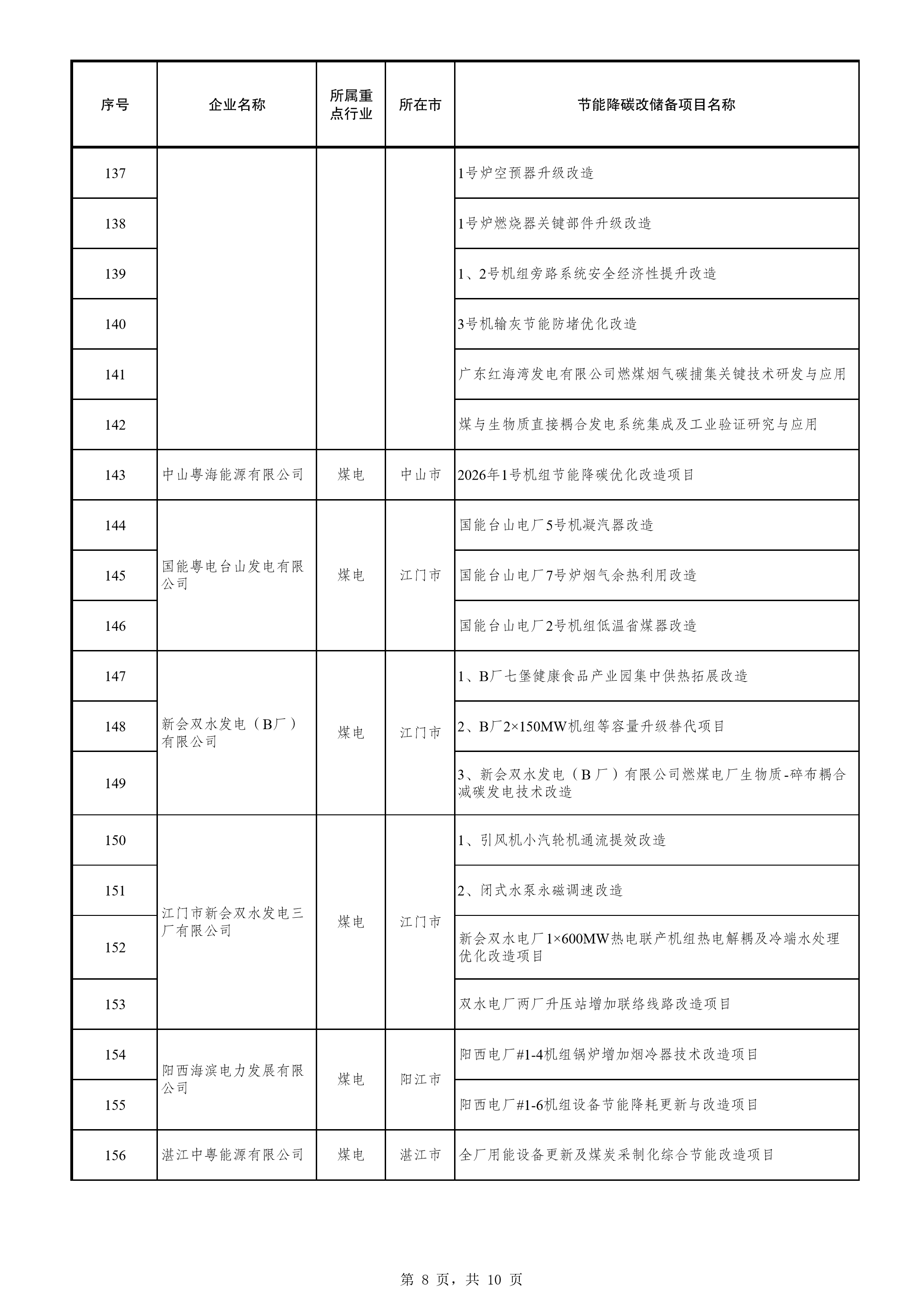
Annex: inventory of savings in energy in Guangdong, 2026-2028
StartFragmentEndFragment